
New Report: How Supercharging the Child Tax Credit Benefited Young Children, and What Comes Next
An interview with Olivia Golden

;)
Education news and commentary, delivered right to your inbox.
Sign up for 麻豆精品 newsletter.
The federal child tax credit (CTC) to address hardships families were facing during the pandemic. The size increased, and the credit was made fully refundable, enabling low-income households to receive the full amount. The result: a stark decline in the child poverty rate in the United States. For children under 5 years old, the rate was 15% in 2019, 10% in 2020 and 6% in 2021. (These data points use the , which includes non-cash benefits from government programs.)
from the Foundation for Child Development (FCD) explores the impact of the supercharged CTC and other temporary policies supporting young children and their families. It then suggests lessons drawn from advocates and organizers for permanently reducing poverty and hardship among children and families.
Early Learning Nation spoke to FCD senior policy advisor Dr. Olivia Golden, who coauthored the report with the foundation鈥檚 President and CEO Dr. Vivian Tseng. Golden is the former commissioner for children, youth and families, and assistant secretary for children and families at the U.S. Department of Health and Human Services. In July, she returns to the as interim executive director.
Mark Swartz: What surprised you most about the data you uncovered?
Olivia Golden: To me, the big surprise was the scale of success. The Census Bureau鈥檚 published poverty data tell you about children, but to get the data on young children in particular, the did new analysis for us. In particular, the drop from 24% to 11% for young Black children, and the drop from 22% to 9% for young children in Latino families, were hugely impressive.
Swartz: And the consequences rippled out to the states as well.
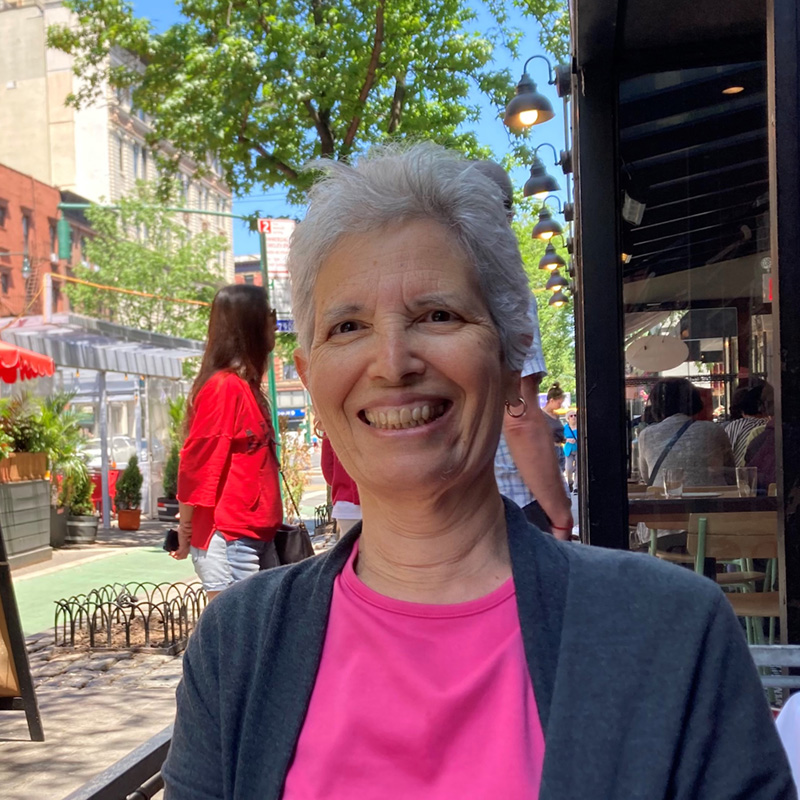
Golden: Before starting the paper, I didn鈥檛 know or even suspect how many states enacted and implemented their own refundable CTCs 鈥� three in 2022 and 19 in 2023. The big movement on the federal level during the pandemic not only helped families during the years it was active but prompted this action in some states. We saw a virtuous cycle where federal and state influenced each other.
Swartz: At one point, it looked like the expanded CTC might remain in effect, with Build Back Better legislation that passed in the House and came close to passing in the Senate.
Golden: There was also a guarantee of child care with either no fee for low-income families or an affordable fee for middle- and moderate-income families. There was paid family and medical leave.
Swartz: Build Back Better missed by one vote in the Senate.聽
Golden: Having worked on child and family issues for four decades, getting these policies so close to enactment 鈥� along with this level of investment in the temporary policies 鈥� is an unprecedented, positive change. That鈥檚 the reason we wrote the paper. It鈥檚 worth taking a moment to explore how it happened and what lessons can we take forward.
Swartz: One of those lessons had to do with harnessing the power of parent voice, especially from families of color and immigrant families.聽
Golden: Yes, the voices and organizing of both parents and caregivers. That was really interesting to me, given my long history in this work. If you go back to the Great Society and Head Start, you see a central role for parents, but then for decades, a lot of leaders in the early childhood community became less focused on it. The conventional wisdom has been it鈥檚 hard to organize parents. But this is now happening on an impressive scale.
Swartz: How is policy improved when advocates engage families?
Golden: Here鈥檚 one example: When the federal money came, the state of California could use it really quickly because had talked to parents all over the state. Parents had signaled that their biggest priority was getting rid of parent fees required of families who receive public child care assistance. Another example concerns immigrant families. From the first pandemic response legislation to the American Rescue Plan legislation, the availability of help for children in immigrant families increased greatly, in what was a very short period of time. Immigrant families were substantially , and so telling their story helped to correct that policy failure.
Swartz: Which players in the advocacy ecosystem especially stand out?
Golden: We heard from so many people of the value of the , which puts parents and families together with caregivers to focus on . That鈥檚 been a powerful force for children. Caregivers matter as much as family members, but they haven鈥檛 always been included in advocacy. We also talked to many parent organizing groups and to groups that center children most marginalized, such as the Children Thrive Action Network and Protecting Immigrant Families.
Swartz: What other opportunities do you see?
Golden: When you look at what worked in the pandemic response and what came close in the Build Back Better law, there are so many important policies to go back to. We鈥檝e talked about the CTC, child care and paid leave 鈥� there鈥檚 also health, nutrition and housing. Housing continues to be a priority. The research tells us how important stability is to young children, but families with young children are especially likely to be evicted. It鈥檚 a very tough period in a family鈥檚 life.
Swartz: How do data and analysis translate into policy change?
Golden: We heard one story of a convening that brought together organizers and advocates to talk about child care in the state of Michigan. The state wasn鈥檛 drawing down all its federal money. After hearing policy experts say, 鈥淢ichigan is just turning away tens of millions of dollars,鈥� the organizers said, 鈥淥h, wow. That鈥檚 the kind of thing we can organize about. We know how to deal with that.鈥� And they succeeded in changing policy. The whole idea of a coalition is that we don鈥檛 all have to be good at everything, but we have to have a framework where we can each do our part really well.
Swartz: And that鈥檚 not free, right?聽
Golden: The infrastructure of social justice absolutely needs more support, which means staffing, skill-building and time for making coalitions work. Foundations should support those roles and take the long view because change doesn鈥檛 happen instantly. They need to understand you have to be able to go through temporary losses to gain a long-term win.
Swartz: And FCD is evolving in that direction as well?
Golden: FCD has a 125-year history of taking the long view in support of children, with the flexibility that鈥檚 needed to evolve strategies over time. This paper, based on 30 interviews, exemplifies the approach of first listening to people. FCD is on an exciting journey, as it explores being a social justice funder for young children and centering children who鈥檝e been marginalized because of racism, xenophobia and economic inequality.
Swartz: What do you see as the next steps for advocates?
Golden: Not giving up 鈥� and finding inspiration in the amazing people doing the work. Losses in the moment often lead to or underlie the next round of progress. Supporting economic security and well-being for families means paid leave, health insurance, food and funding child care and housing as well as the CTC. Moving forward on these issues is going to be central for the future of the U.S. When parents do better, children do better.
This story originally published on Early Learning Nation and is now archived on 麻豆精品. Learn more here.
Mark Swartz writes about efforts to improve early care and education as well as developments in the U.S. care economy. He lives in Maryland.
