1 In 4 Hawaii Students Are Chronically Absent From School
Five years after the pandemic upended attendance, many schools are still struggling to get kids to show up regularly.

;)
Education news and commentary, delivered right to your inbox.
Sign up for Â鶹¾«Ʒ newsletter.
Get stories like this delivered straight to your inbox. Sign up for Â鶹¾«Ʒ Newsletter
At 7:45 am on a recent Friday, Fern Elementary’s cafeteria exploded with shouts and cheers as school counselor Talon Henderson called students to the front of the room. The students, selected at random, received small prizes as rewards for showing up to school on time — a small but important reason to celebrate, Henderson said.
“Remember to come to school every day,” Henderson told students enthusiastically as he dismissed them for the first class of the day.
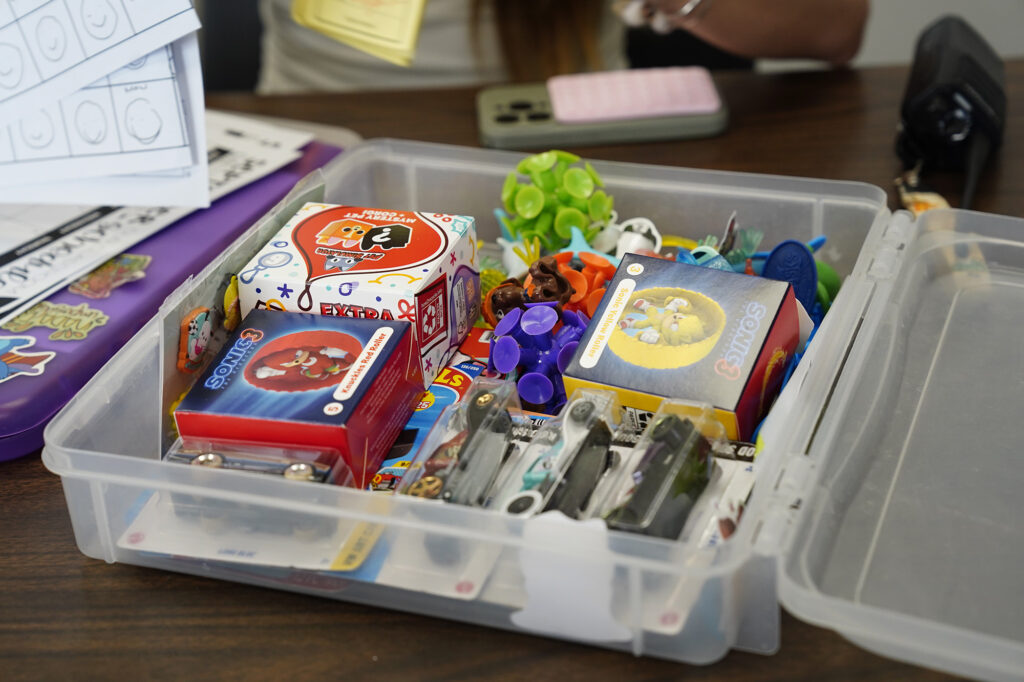
The five-minute game, which Fern Elementary holds once or twice a week, is one of many strategies Hawaiʻi schools have pursued to improve attendance in recent years. Other solutions range from raffling PlayStations and televisions to students with perfect attendance to offering health screenings on campus and holding home visits with families to figure out why kids are missing class.
Some schools, like Fern Elementary, have made significant progress as a result. Last year, 77% of students at the Kalihi campus attended class regularly, up from just 45% in the 2021-22 school year.
But not all schools have seen the same success. Statewide, nearly a quarter of kids were chronically absent last year and 10 schools reported that half or more of their students weren’t attending class regularly. Those figures are an improvement from the height of the pandemic, when more than a third of kids were chronically absent, but are still far from ideal.
Students who are chronically absent — defined as missing 10% or more of instructional days — tend to have lower graduation rates and worse math and reading scores than their peers, according to a from the department, adding to the urgency of addressing the problem.
There’s no single reason for the high absenteeism rates, though principals and teachers say stricter health policies during the pandemic could have more parents keeping kids home when they have minor illnesses. Schools have also seen an increase in students struggling with mental health. One thing is clear: schools are about to have less support in their efforts to address the problem.
Last fall, millions of dollars of Covid-relief funding for attendance initiatives expired, and recent legislative efforts to direct state funding to successful school programs have failed to pass. While principals have largely been tasked with developing school-specific strategies to deal with the problem, some parents and advocates say they would like the education department to streamline its communication and outreach to families moving forward.
Others say they would like more comprehensive support for parents, who may not be able to prioritize school attendance when they’re juggling multiple jobs and responsibilities.
“I think a lot of times we like to blame the families,” said Kathleen O’Dell, coordinator of the Hawaiʻi ʻOhana Support Network, “but you don’t know what families are going through.”
Where Did The Kids Go?
As schools returned to in-person learning after months of online classes during the pandemic, some kids didn’t seem to understand the value of attendance, said Lahainaluna High School teacher Jarrett Chapin. In some cases, he said, students would show up to get counted at the start of class and attempt to leave before he started his lesson.
“It was jarring, for sure,” Chapin said, adding that the school has seen more success with attendance since it adopted a new communication app allowing teachers to directly message families. Last year, 36% of Lahainaluna students were chronically absent, down from around 45% in 2021.
DOE defines chronic absenteeism as missing 18 days of school for any reason, including excused absences like illness or a death in the family.
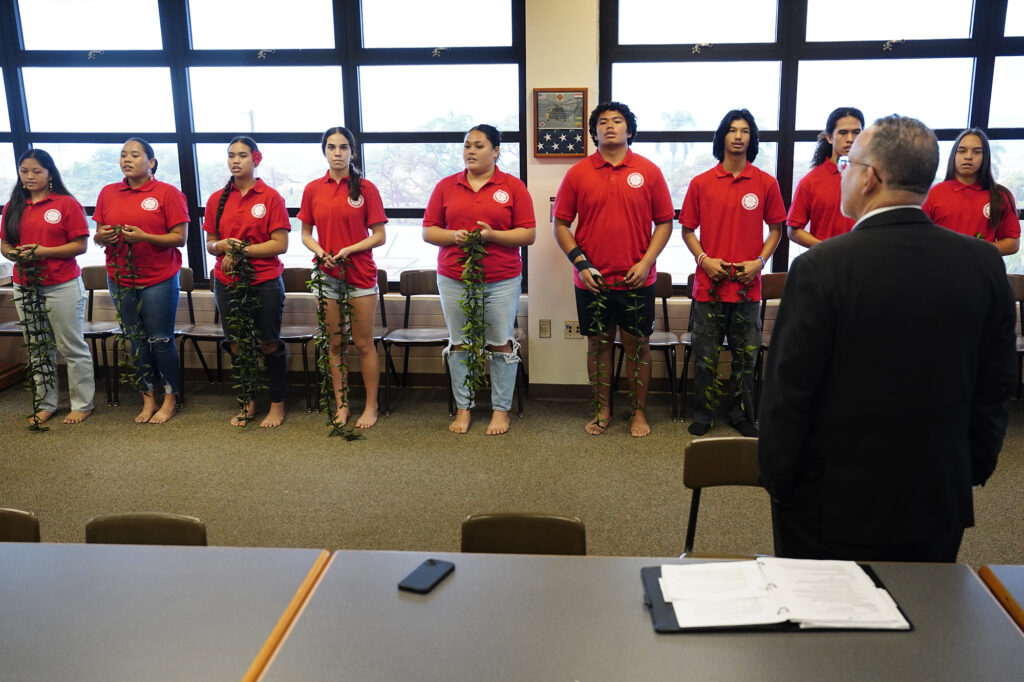
Schools can refer students and parents to Family Court when a child is considered truant and has more than 18 unexcused absences, according to . But schools try to avoid punitive approaches to attendance whenever possible, Honouliuli Middle School Principal Todd Fujimori said.
At Honouliuli Middle, counselors and teachers work with students to improve their attendance, he said, and the school partners with the judiciary to meet with parents before they’re referred to Family Court. In some cases, an attendance officer from the judiciary meets with families to develop plans and strategies to improve kids’ absenteeism rates.
“It’s to try to be proactive,” Fujimori said, adding that the school has only referred families to truancy court once or twice over the past six years.
Families also became accustomed to keeping their kids home when they had mild illnesses during the pandemic, which began in March 2020, since schools were quick to send students with Covid-like symptoms home, said Hannah Loyola, principal at Kohala Elementary on the Big Island. Some families are still hesitant to send their kids to class when they aren’t feeling well, even though the school has eased its health policies in recent years.
“After the restrictions lightened up a little bit, I don’t think parents fully understood,” Loyola said.
It’s also been harder for parents to motivate kids to attend school since the pandemic, O’Dell said. Some students developed more social anxiety during online learning, while others had fewer opportunities to develop basic learning skills that could help them adjust to in-person classes.
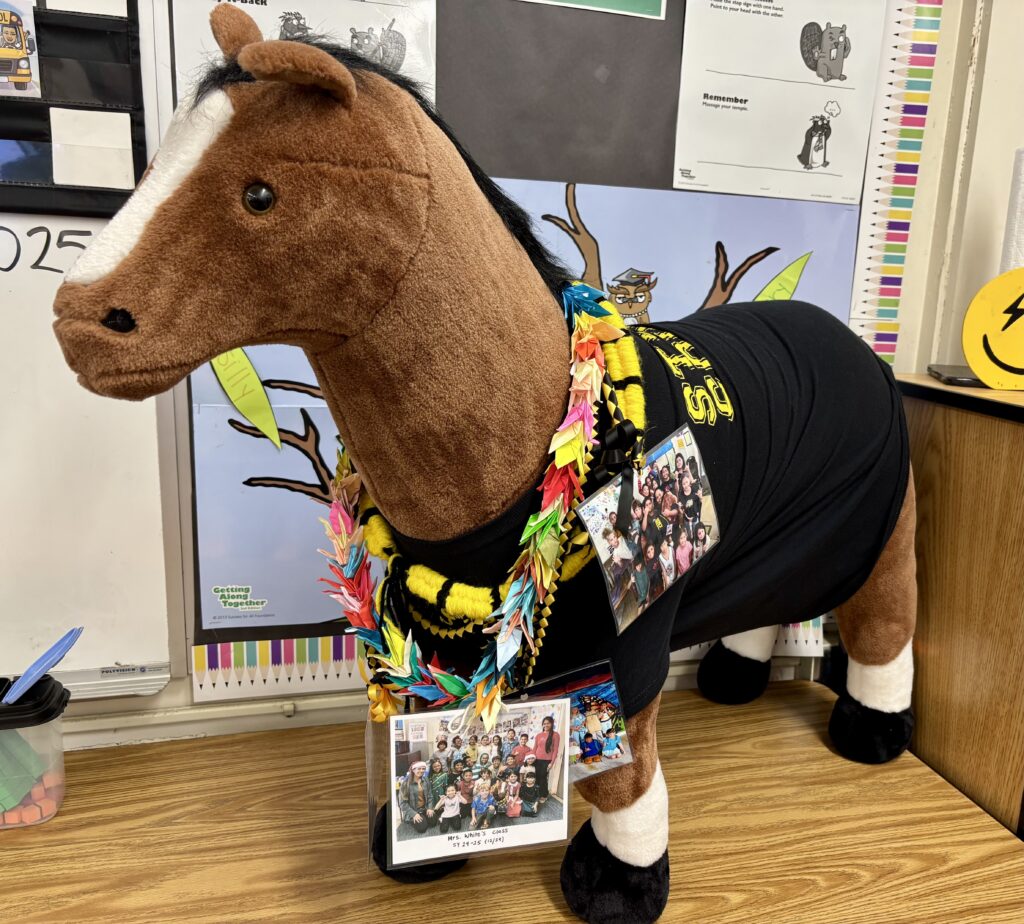
When schools first reopened after the pandemic, some principals reported an and aggressive behavior as students struggled with their mental health and a lack of social skills needed to resolve disagreements.
Families are also struggling to feel a strong sense of belonging on campus after many schools were closed to the public for more than a year during the pandemic, O’Dell said. In some cases, schools don’t call parents unless their kids are in trouble, she said, making it harder for families to develop trusting relationships with teachers and feel comfortable sharing the challenges keeping their children from attending class.
“A lot of families don’t feel very welcomed on the campus,” O’Dell said. “So how are we proactively creating relationships with our families and getting to know their needs?”
Strategies Abound
In the 2024-25 academic year, nearly 75% of Kohala Elementary’s students attended class regularly — a 12% jump from the previous year and a 24% increase from when the school first returned to in-person learning in 2021.
Last year, Kohala Elementary offered free pizza coupons or field trips to reward students with good attendance, said Vice Principal Allison Tinnin, and administrators scheduled calls and home visits to families if children began missing school early on.
Kohala Elementary is also part of the state’s network of , which offer comprehensive support to families in the form of food pantries, after-school tutoring and more. By addressing families’ basic needs, these schools can help improve student attendance, said Paula Adams, executive director of Hawaiʻi Afterschool Alliance.
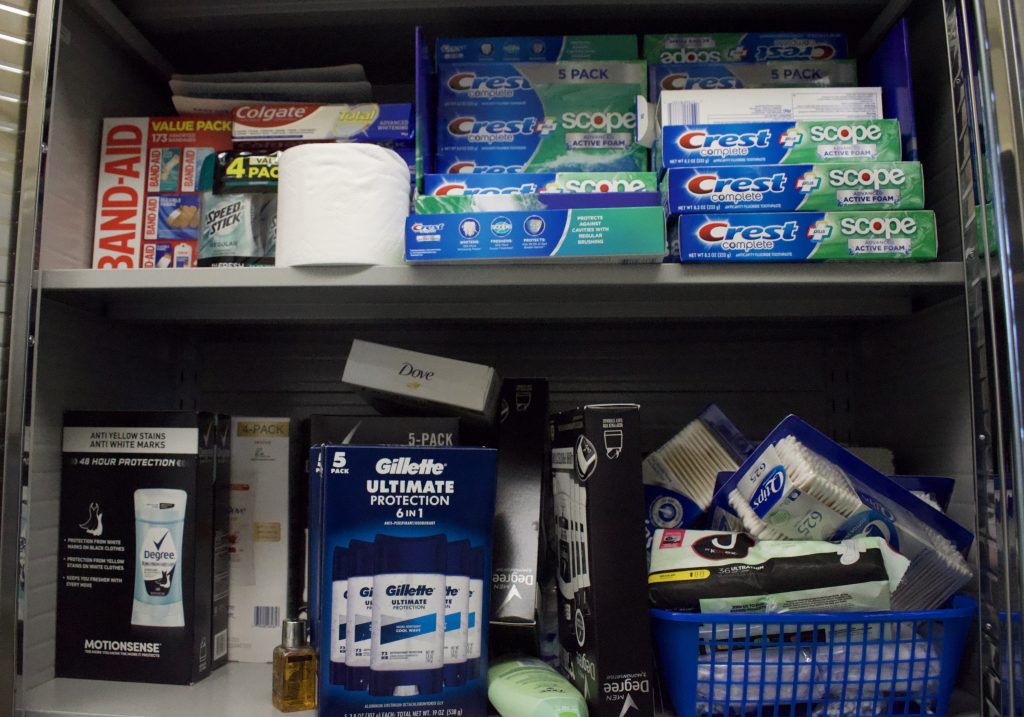
Several community schools reported some of the greatest improvements in attendance rates in the state last year.
“The results are very, very clear,” Adams said.
But right now, many principals need to find their own sources of funding to cover the costs of becoming a community school, including hiring a coordinator to manage partnerships with local organizations and developing close connections with families. Running a community school costs around $120,000 a year, Adams said.
While the initiative has seen success on Big Island and Oʻahu, it has yet to reach schools on Maui and Kauaʻi, partly because not all principals are familiar with community schools, Adams said. introduced in the last legislative session would have set aside nearly $4 million to fund community schools and hire a statewide program manager over the next two years, but the measure failed to pass.
In other cases, DOE has developed partnerships with outside agencies to address barriers to attendance. The Hawaiʻi Keiki initiative, run in partnership with the University of Hawaiʻi Mānoa School of Nursing, places nurses in schools across the state to treat students’ illnesses and promote healthy habits for kids and families, aiming to reduce the amount of class time kids miss because of sickness.
The program, which began in 2014, reduced absenteeism in high schools by up to 4% in its early years of implementation, . The study did not analyze the impact of the initiative on attendance after 2019.
Funding is a significant barrier to expanding and scaling those initiatives moving forward. The DOE sought $160,000 earlier this year to hire an educational specialist who could support attendance initiatives statewide, but lawmakers didn’t fund the request. Another in 2024 to fund 75 health technician positions in schools under the Hawaiʻi Keiki Initiative also failed.
Federal funding for Covid recovery in schools , including millions that had supported attendance initiatives.
Some schools now need to dip into their own budgets for attendance programs. At Fern Elementary, the school has been able to replace federal dollars with its own money to purchase rewards for students with good attendance, Vice Principal Mark Atta said, but maintaining attendance initiatives could be more challenging for schools with tighter budgets.
Deborah Bond-Upson, president of the advocacy group Parents for Public Schools Hawaiʻi and interim director of the Hui for Excellence in Education Coalition, said families are looking for ways to strengthen their connection with schools and get more involved in their children’s learning. Multiple communication platforms and apps make it harder for families to find information about their kids’ schools, she said, and providing a more streamlined source of data on student learning and outcomes could boost parent engagement.
“The kids who see parents not really understanding what’s happening in school, not really feeling connected, that makes them feel disconnected,” Bond-Upson said. “If the parents are more connected, then it’s easier for the kids to feel comfortable in the school, open to it and move forward positively.”
Did you use this article in your work?
We’d love to hear how Â鶹¾«Ʒ’s reporting is helping educators, researchers, and policymakers.